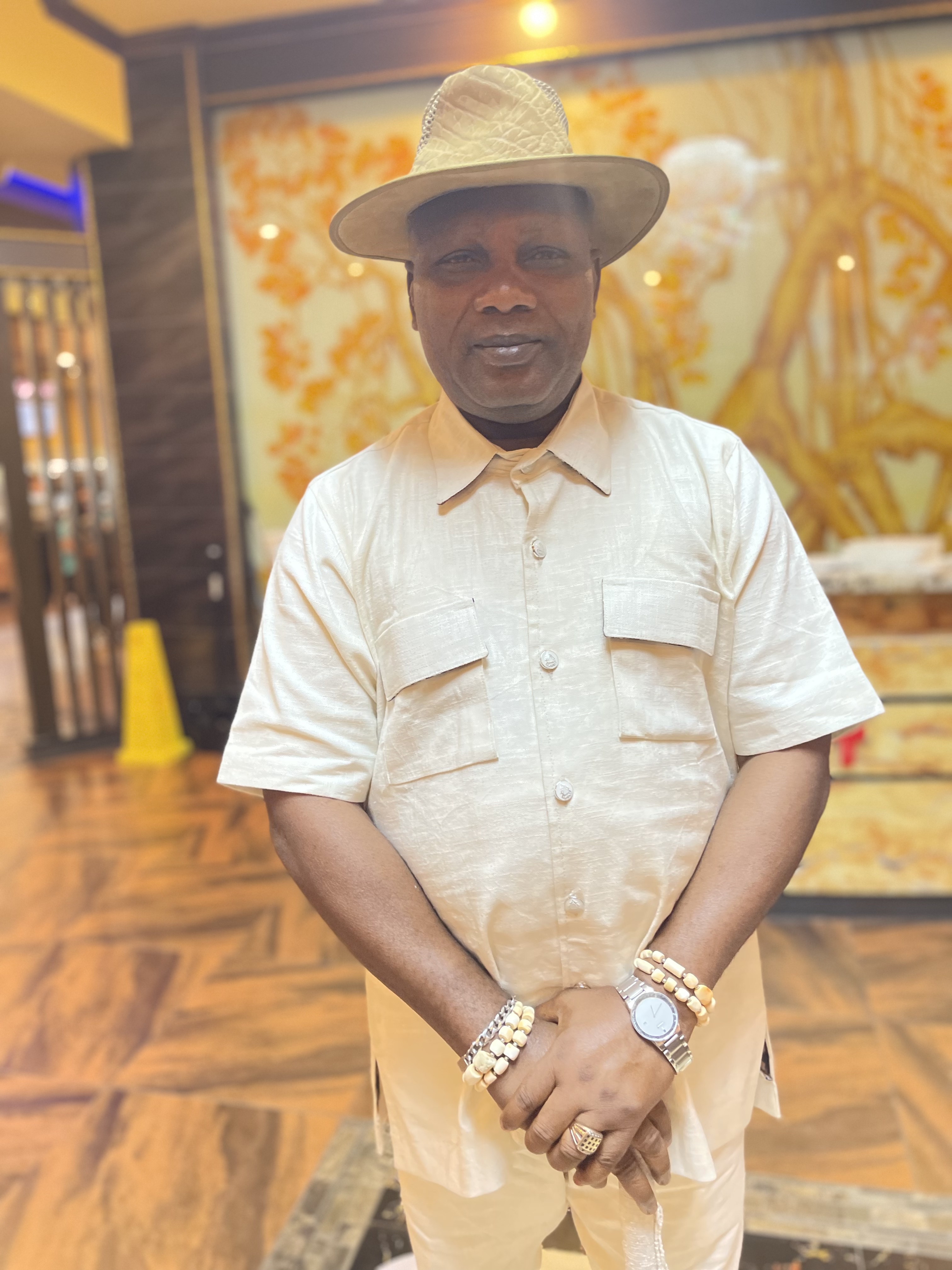
Born of Ile-Ife, guided by Ifá.
Ogunmisi — the ancestral founder
Egushi, an ancient settlement within the Oruba quarters under the Awori kingdom of Ọta, traces its origins back nearly 300 years. The town was first established by Ogunmisi, the son of Olofin, revered as the ancestral founder (baba nla) of the community. Ogunmisi migrated from Ile-Ife alongside his brother Ogunshi, both renowned hunters (ọdẹ).
Before departing Ile-Ife, Ifá divination guided them to settle beside a great tree (igi nla). Upon arrival, they discovered it was a magnificent Iroko tree. They carried with them their sacred idols (òrìṣà) — namely Otuku, Edun, Korilegbe, Akata, and Ida — which they worshipped faithfully.
"Ẹ wá wo ere tó gun igi Esi!"
COME AND SEE THE PYTHON CLIMBING THE ESI TREE
Near their settlement stood another prominent tree called Esi, originally known as Ose. One sunny evening (ní ìrọ̀lẹ́ kan), they sighted an enormous python (ere) — fearsome and hungry — emerging from a nearby river. The serpent coiled itself around the Esi tree, resting its head upon a branch as it scanned for prey. A passerby, alarmed by the sight, cried out the warning above. From this very phrase — "ere tó gun igi Esi" (eregunshi) — the name Egushi was derived.
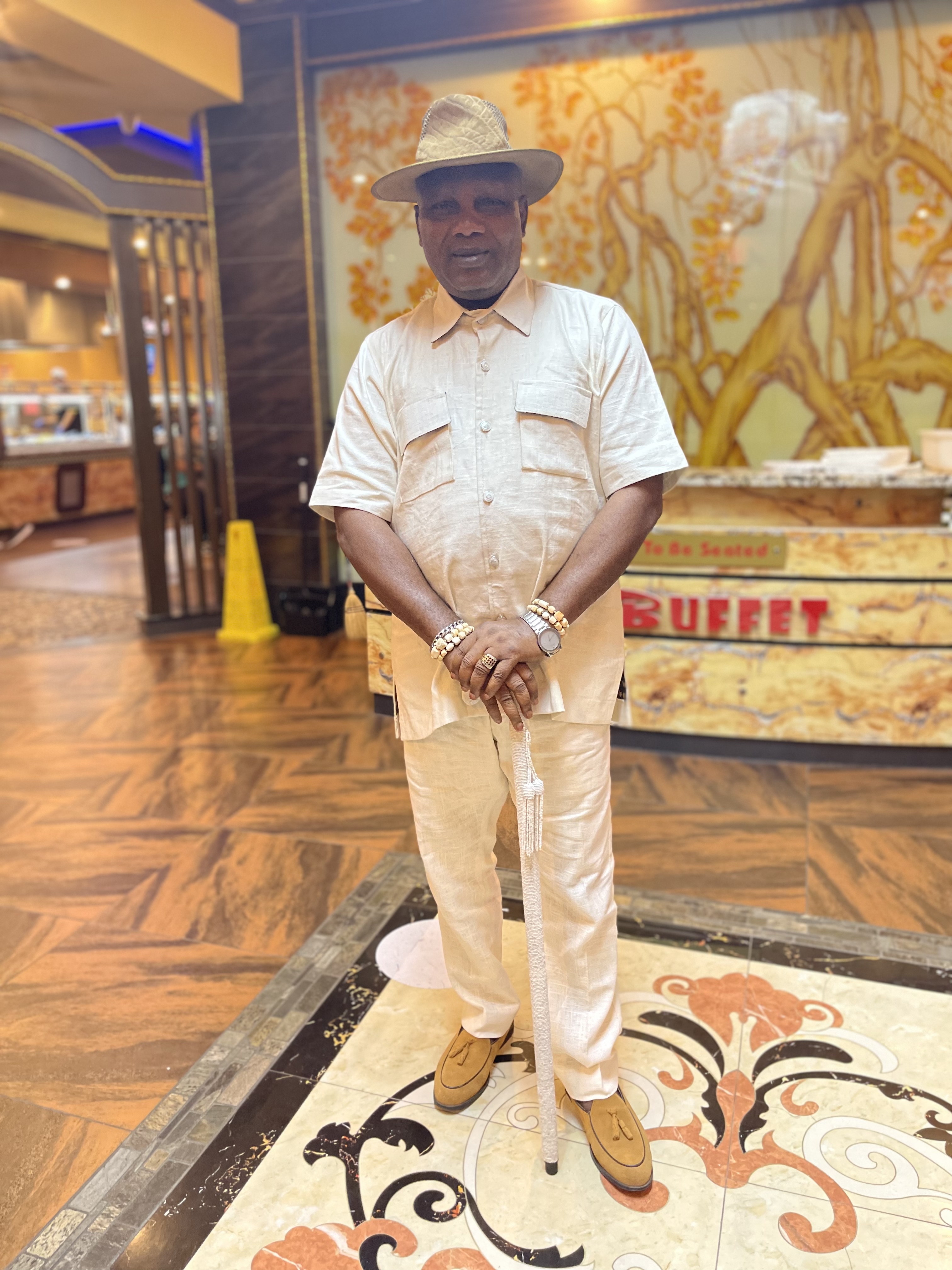
Tradition meets industry.
Today, Otta is the capital of Ado-Odo/Ota Local Government Area and has grown into one of Nigeria's largest industrial hubs — home to hundreds of manufacturing companies. Yet through all this growth, communities like Egushi have preserved our Awori culture, language, and traditions.
The traditional ruler, the Elegushi of Egushi Otta, remains the spiritual and cultural anchor of our community — leading festivals, settling disputes, and preserving the ancient ways of the Egushi people.
See the festivals
Six pillars of identity.
Traditional Royalty
Ìjọba Ìbílẹ̀
The Elegushi of Egushi Otta leads our community with wisdom and spiritual authority, maintaining royal traditions.
The Òrìṣà Otuku
Ọdún Otuku
Our principal òrìṣà — brought from Ile-Ife by Ogunmisi, worshipped every 17 days at dawn, never beneath the open sun.
Textile & Crafts
Iṣẹ́ Ọwọ́
Aso-oke weaving, pottery, and blacksmithing — celebrated crafts that connect us to our ancestors.
Awori Language
Èdè Àwọrì
The Awori dialect of Yoruba, our mother tongue — spoken in homes, at celebrations, and in prayer.
Traditional Music
Orin Ìbílẹ̀
Talking drums, sekere, and agogo are the heartbeat of our festivals and gatherings.
Spiritual Heritage
Ìgbàgbọ́
Egushi honours ancient Yoruba deities — Otuku, Ogun, Sango, Osun, Obatala, Eleigba, Osa Oke, Korilegbe, Aje and Gelede — alongside Islam and Christianity.
Thirty-one institutions, one community.
Egushi is blessed (ìbùkún) with reputable institutions and businesses serving the community.